How to Plan Night Photography Around Wildlife Breeding Seasons in Australia
Night photography in wildlife breeding season goes best when you pick your dates from the animals’ calendar first and the sky’s second. Turtles, penguins and shearwaters all come ashore after dark to nest. A shoot planned around the Milky Way alone can put you in the right place on the wrong night, on top of a colony.
The clash happens because many dark coastal photography destinations in Australia double as nesting grounds. Readers often ask Star Hawks Blog about wildlife-sensitive photography once they head for the coast with a tripod. We’ll share our suggestions in this article. We’ll start with the breeding calendar for your region, then plan your location, precautions, and camera settings around those dates.
Australian Breeding Seasons Run on Different Calendars From Summer to Winter
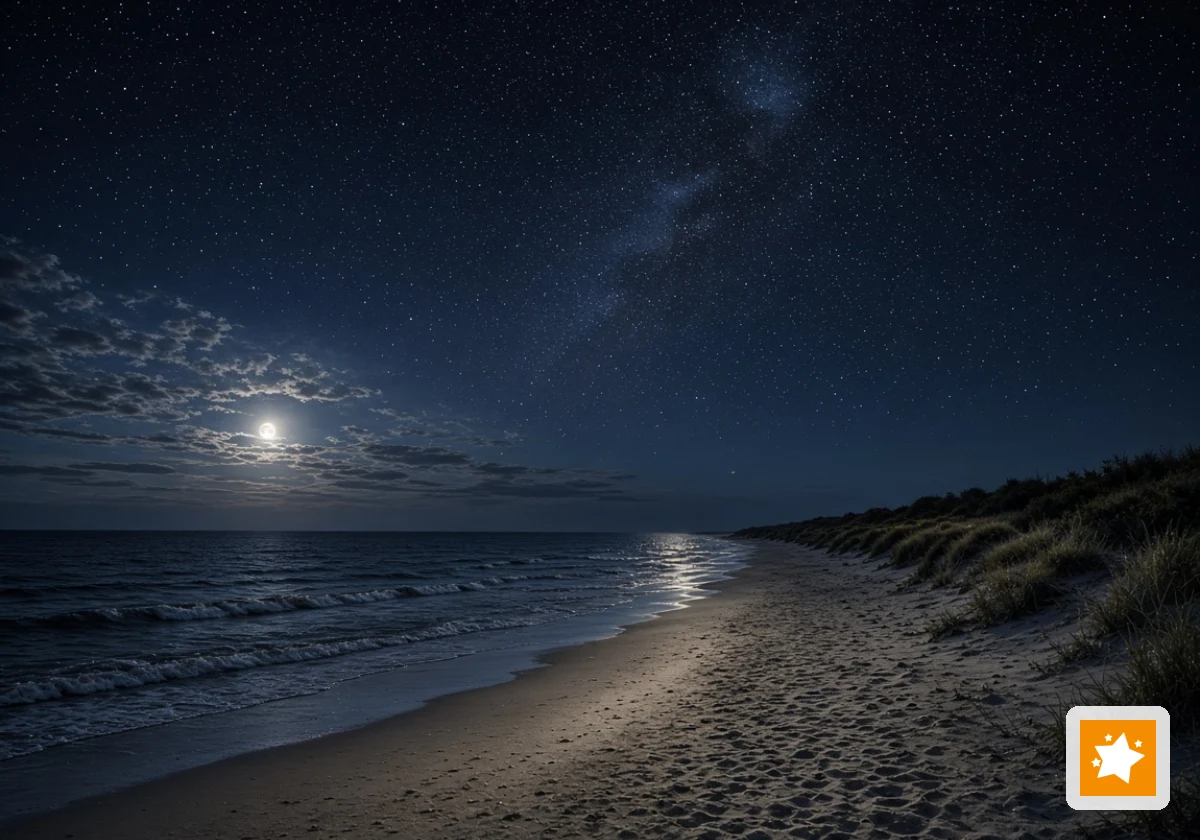
Breeding seasons shift with latitude, so a month that’s quiet in Victoria can be peak nesting time in Queensland. Before you plan a stargazing night, check what’s breeding near your chosen spot. The table below lines up the main night-time and wet-season nesters with what each window means for your shoot.
| Region | Species | Main breeding window | What it means for your shoot |
|---|---|---|---|
| Southern Queensland beaches | Loggerhead and other marine turtles | Late spring to early autumn | Shoot nesting beaches only on ranger-led tours, or outside nesting months |
| Phillip Island, Victoria | Little penguins and short-tailed shearwaters | Penguins from late winter to early autumn; shearwaters from late September to April | Set up sky shots inland or along the coast, well away from the colony |
| NSW coast | Little penguins | Winter to late summer | Keep torches off headlands near known burrows |
| Top End | Waterbirds such as magpie geese | Late wet season | Expect flooded tracks and closed wetland areas |
The Queensland row catches plenty of people out, because turtle season runs across the summer school holidays. Summer is also the wet season up north, so clear nights are harder to find. If your trip falls between November and March, confirm beach access before you plan a single frame. Winter wildlife trips to Phillip Island still bring penguins ashore, though the shearwaters have flown north by then.
Choosing Responsible Astrophotography Locations to Explore Away From Nests and Burrows
A good location gives you a dark horizon and keeps your tripod clear of animals and their burrows. Parks with dark-sky zones, signed closures, and set viewing areas handle much of the planning for you. Four checks help you narrow down responsible astrophotography locations: where to go, what’s closed, how to confirm closures, and where to stand.
Dark Sky Parks and Reserves Where Animals Already Have Space
Dark sky parks suit night shoots because their managers already limit artificial light for the stars and the animals. Warrumbungle National Park in central NSW became Australia’s first accredited Dark Sky Park in 2016. The park’s campgrounds give you a set place to shoot from, well away from any coastal nesting beach.
Inland parks also offer photographic opportunities with kangaroos and wallabies grazing at dusk. A designated campground suits wildlife photographers, since the park has already chosen where visitors can stand. Our piece on dark sky conservation explains how dark sky zones protect nocturnal animals as well as the view.
Begin your shortlist with accredited parks, then read each park’s camping rules. A campground pitch usually keeps you clear of roadside glare (and the car headlights that sweep across your frame).
Which Beaches Close for Turtle Nesting and When?
Queensland’s turtle beaches restrict night access during nesting, and Mon Repos near Bundaberg is the best-known example. The Queensland Government’s 2025 statement set the Mon Repos turtle tour season from 8 November 2025 to 22 March 2026. During the season, visitors can only reach Mon Repos beach after dark on a ranger-led tour.
Other Queensland nesting beaches ask visitors to keep all lights off the sand. Ranger-led tours sell out early, so book months ahead, especially if it’s your first time at a turtle beach. If you’re considering one of the wildlife photography tours sold online, check that the operator holds a park permit for that beach.
Confirm each new season’s dates before booking, because a beach that’s open in May can be off limits by Christmas.
Checking Park Alerts and Seasonal Closures Before You Drive Out
Seasonal closures can start at short notice when penguins dig new burrows or a turtle nests outside the usual zone. On wildlife photography trips to the coast, check your state parks website on the morning you leave. A closure posted overnight won’t appear in a search you ran last week.
Look for the park alerts or changed-conditions page. The page lists track closures, fire bans and restricted beaches. Save a screenshot before you go, since phone reception often drops on the coast road (handy once you’re past the last servo on the highway).
For local detail, call the park’s ranger station. Rangers know where animals are active this week, and online alerts rarely carry that level of detail.
Where to Stand Near Penguin and Shearwater Colonies
No single distance applies across Australia, so follow the limits each colony’s managers set. At major sites, those limits mean staying inside signed viewing areas. At the Penguin Parade, the Phillip Island Nature Parks rules state: “There is strictly no photography or filming after sunset.”
Away from managed sites, stay on boardwalks and out of the dunes where burrows sit. Penguins that freeze at the waterline or turn back to sea are signalling that you’re too close.
Meanwhile, shearwaters fly in at dusk and drop straight into their burrows. Because they land fast and low, any movement nearby can startle them. Seasoned night shooters set up before sunset and stay put until the birds settle.
Remember: At managed sites, you need to follow the photography rules and shoot elsewhere after sunset.
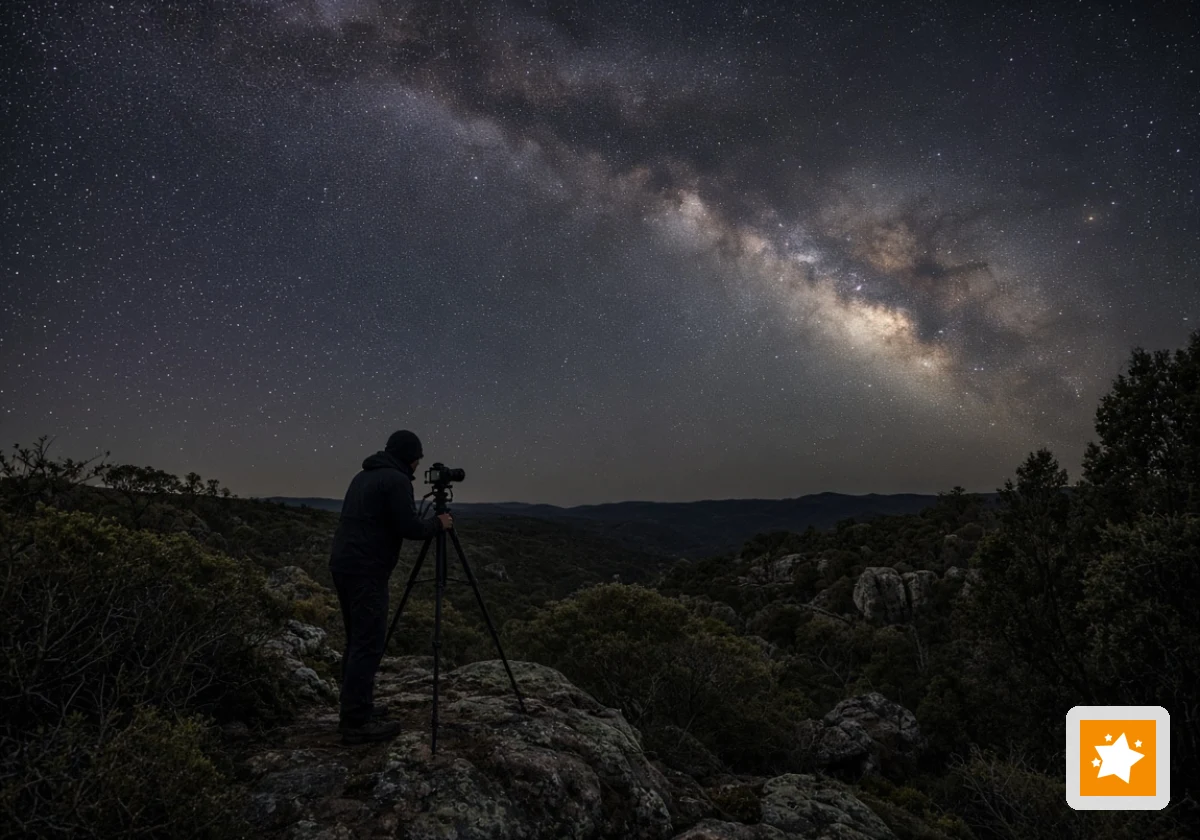
What Wildlife Photography Precautions Keep Nesting Animals Safe After Dark?
With your spot chosen, cut light, noise, and movement near nests. Animals rely on those cues after dark, so small changes can alter their behaviour. Artificial light causes the most trouble for marine life, since turtle hatchlings head for the brightest horizon to find the sea.
A bright phone screen on a nesting beach can be enough to lead hatchlings inland. Penguins also hesitate at the shoreline when a torch beam crosses their path. Most wildlife photography problems after dark start with light.
We know a quick headlamp shot of a nesting turtle is tempting. Any beam on the animal disturbs it, so leave the turtle unlit. Keep a red light on its lowest setting for reading your camera dials.
Follow these nesting season photography precautions on every coastal night shoot:
- Use a Dim Red Light: Swap white torches for a red light on its lowest setting. Point the beam at your feet rather than across the sand. Pack spare batteries so you never fall back on a white phone torch.
- Darken Your Phone Screen: Set your phone to its darkest red filter, or switch it off between checks. Screen glow travels a long way across an open beach at night. Turn on the red filter at home so you aren’t searching through settings on the sand.
- Walk Below the High-Tide Line: Turtles bury their eggs above the high-tide mark in soft, dry sand. Walking on firm, wet sand keeps your boots off buried nests. Check the tide times before you leave so the walk back stays below the line too.
- Leave the Drone Packed: Drones flying over colonies stress nesting birds and can flush them from burrows. Most national parks also restrict drone flights without a permit. Keep the drone in the car and capture wide views from the ground.
- Stay Still During Wildlife Encounters: Keep quiet and let animals pass before you move. Sudden steps or voices can send a penguin back to sea or stop a turtle mid-nest. Crouch low besides your tripod and wait until the animal has moved well past you.
Run through the list in the car park before you set foot on the sand. Once you’re on the beach in the dark, digging out a red filter or rethinking a drone flight gets much harder.
Keep Nest Locations Off Social Media
Geotagged posts can lead crowds straight to a nesting beach or burrow. Switch off location tags before you share photos taken near a colony. Name the region in your caption instead of the exact beach, and credit the park or tour that gave you access.
Wildlife Photography Settings for Low Light: Working Without a Flash or Spotlight
Once the light rules are clear, your camera has to gather every bit of natural light on its own. Photographing wildlife calls for a different setup from a standard sky shot, because animals move quickly while stars drift slowly. When flash is off the table, start with these three settings:
- Wide Aperture First: Open your lens to its widest setting, often f/1.8–f/2.8 on a fast prime. A wider opening lets in extra light and keeps your ISO down. Check your lens’s widest aperture before the trip, since many kit zooms stop at f/3.5.
- Higher ISO Settings: Most modern sensors handle ISO 3200–6400 with noise you can clean up later. Raise ISO until the histogram moves clear of the left edge. Shoot test frames at home first to find where noise starts to spoil your files.
- Shutter Speed Limits: Keep the shutter at about 1/60 second or faster for animals on the move. Birds in flight need faster speeds again, so save flight shots for dusk while some light remains. Shoot your star frames separately on long exposures, then merge the two in editing.
Those three settings let you shoot by moonlight and starlight with no extra light switched on. If a frame still looks too dark, accept grainier wildlife images rather than reaching for a torch.
Book Your Next Night Shoot Around the Animals Rather Than the Moon.
The best wildlife shots after dark come from planning in a set order. Before committing to a date, check the access rules and seasonal restrictions for your chosen location. Some sites limit night access or close sensitive areas during breeding season. Keep a backup location in mind in case conditions change before your shoot.
Night photography in wildlife breeding season asks you to wait for the animals, and a quiet, unlit wait gives you natural behaviour to shoot. Wildlife-sensitive photography in Australia means leaving every nest exactly as you found it.
Want help picking a date and location? Get in touch with Star Hawks Blog to plan your next shoot around both the sky and the wildlife.